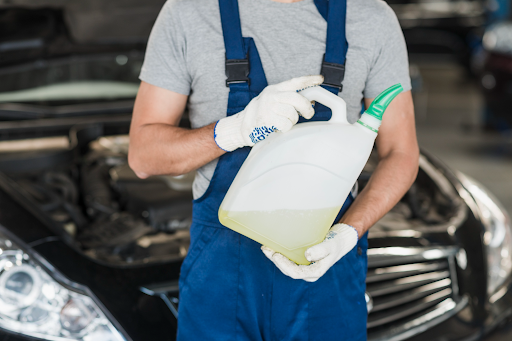



In modern commercial vehicles, construction equipment, and industrial machinery, hydraulic oil plays a vital role in ensuring smooth power transmission, precise movement, and reliable system performance. Within the first few operating hours, hydraulic systems are exposed to dust, metal particles, moisture, and other contaminants. This makes hydraulic oil filtration an essential process for maintaining efficiency, durability, and operational stability.
For fleets and equipment operators across India, using premium products such as Tata Motors Automotive Fluids hydraulic solutions ensures consistent performance when paired with effective filtration practices. Understanding why filtration matters helps operators protect components, optimise maintenance schedules, and achieve dependable results across varied operating conditions.
What Is Hydraulic Oil Filtration?
Hydraulic oil filtration is the process of removing contaminants from hydraulic oil to maintain its cleanliness and functional properties. Filtration systems are designed to capture particles, debris, and impurities that may enter the system during operation, maintenance, or environmental exposure.
Clean hydraulic oil supports smooth fluid flow, stable pressure control, and reliable actuation of hydraulic components. Filtration works continuously within the system, ensuring that oil quality remains within recommended cleanliness levels for optimal performance.
Why Clean Hydraulic Oil Is Important
Hydraulic systems rely on precision-engineered components such as pumps, valves, cylinders, and seals. Even microscopic contaminants can affect performance if not filtered effectively.
Key reasons filtration matters:
- Maintains consistent oil flow and pressure
- Supports accurate hydraulic response
- Helps preserve component surface integrity
- Promotes stable operating temperatures
- Enhances overall system efficiency
By keeping hydraulic oil clean, filtration contributes to reliable system behaviour across long operating cycles.
Common Sources of Hydraulic Oil Contamination
Contamination can occur naturally during normal system use. Understanding these sources highlights the importance of regular filtration and oil monitoring.
Typical contamination sources include:
-
- Dust and airborne particles entering through vents
- Wear particles from internal component movement
- Residue introduced during oil top-ups or servicing
- Moisture from humidity or temperature variations
Effective filtration ensures these contaminants are managed efficiently, keeping the hydraulic system operating smoothly.
Types of Hydraulic Oil Filters
Hydraulic systems typically use multiple filters placed at strategic points to maintain oil cleanliness.
Common filter types:
Suction Filters
Installed at the pump inlet to prevent large particles from entering the system.
Pressure Line Filters
Protect sensitive downstream components by filtering oil under high pressure.
Return Line Filters
Clean oil before it returns to the reservoir, capturing wear debris.
Breather Filters
Prevent airborne contaminants from entering the reservoir during oil level changes.
Each filter plays a specific role in supporting the performance of hydraulic oil within the system.
Impact of Proper Filtration on System Performance
When filtration works effectively, hydraulic systems operate with improved consistency and responsiveness.
Benefits include:
- Smooth power transmission
- Stable load handling
- Predictable system response
- Reduced maintenance interruptions
- Consistent operational efficiency
Using high-quality hydraulic oil such as Tata Motors Hydraulic Oil 68 Grade, combined with proper filtration, supports reliable performance in demanding Indian operating environments.
Hydraulic Oil Filtration and Oil Life
Filtration directly contributes to extending the usable life of hydraulic oil. By continuously removing contaminants, filtration helps maintain oil viscosity, lubricating properties, and thermal stability.
Clean hydraulic oil retains its ability to:
-
- Lubricate moving parts effectively
- Transfer energy efficiently
- Support temperature control
- Maintain chemical stability
This makes filtration an essential part of oil management strategies for fleets and industrial operations.
Choosing the Right Hydraulic Oil and Filtration System
Selecting the right oil and filtration setup depends on equipment design, operating conditions, and manufacturer recommendations.
Best practices include:
- Using OEM-recommended hydraulic oil grades
- Installing filters with appropriate micron ratings
- Following regular inspection and replacement schedules
- Monitoring oil cleanliness during maintenance
Tata Motors Automotive Fluids offers hydraulic oils formulated to work efficiently with advanced filtration systems, supporting consistent performance and equipment reliability.
Applications That Benefit from Effective Filtration
Hydraulic oil filtration is critical across a wide range of applications, including:
- Commercial vehicles
- Construction and earthmoving equipment
- Agricultural machinery
- Industrial manufacturing systems
- Material handling equipment
In all these applications, clean hydraulic oil supports dependable system operation and smooth workflow continuity.
Best Maintenance Practices for Hydraulic Oil Filtration
To ensure long-term system efficiency, filtration should be integrated into routine maintenance plans.
Recommended practices:
- Inspect filters at scheduled intervals
- Replace filters as per service guidelines
- Use clean tools and containers during oil handling
- Maintain proper reservoir sealing
These steps help maintain oil cleanliness and ensure that hydraulic oil performs as intended throughout its service life.
Conclusion: Clean Hydraulic Oil Starts with the Right Filtration
Hydraulic oil filtration plays a central role in maintaining system efficiency, precision, and reliability. By ensuring oil cleanliness, filtration supports smooth operation, stable performance, and consistent energy transfer across hydraulic systems.
When combined with premium products like Tata Motors Automotive Fluids, high-quality filtration helps operators achieve dependable results in demanding conditions. Choosing the right hydraulic oil, following proper filtration practices, and adhering to maintenance schedules ensures long-lasting system performance and operational confidence.
Looking to enhance the performance of your hydraulic systems?
Choose Tata Motors Automotive Fluids Hydraulic Oil solutions engineered for efficiency, reliability, and compatibility with advanced filtration systems.
Explore the complete hydraulic oil range today and keep your operations running smoothly.